
The Ukrainian team of the Ukrainian Scientific Centre of Ecology of the Sea has successfully completed the final series of field expeditions within the international project Black Sea SIERRA, funded by the European Union under the EMFAF programme.
Throughout 2025, UkrSCES experts conducted three water sampling field campaigns and two campaigns for collecting biota, sediment, and core samples in rivers and lagoons of Odesa and Mykolaiv Regions, including the Danube River delta, the Dniester and Southern Bug rivers, as well as additionally in the Khadzhybey and Tylulhul (Tyligul) estuaries/lagoons, and along the Black Sea coast (Odesa Bay). The expeditions were carried out within the framework of Work Package 2 (WP2) – Assessment of pollution levels in the Black Sea coastal zone, tributary rivers, and lagoons generated by civil and military activities; and Work Package 3 (WP3) – Identification of major biodiversity components threatened by pollution and bioaccumulation of toxic substances.
Main objectives of the expeditions:
Water sampling for the identification and quantification of critical marine pollutants in the northern Black Sea, with a special emphasis on emerging contaminants associated with military actions;
Sampling of biological indicators (fish, mollusks, algae, and other organisms) to assess contaminant bioaccumulation across various organisms at different trophic levels of the food chain;
Collection of sediment samples and cores for the analysis of historical pollutant accumulation and assessment of long-term impacts on ecosystems.
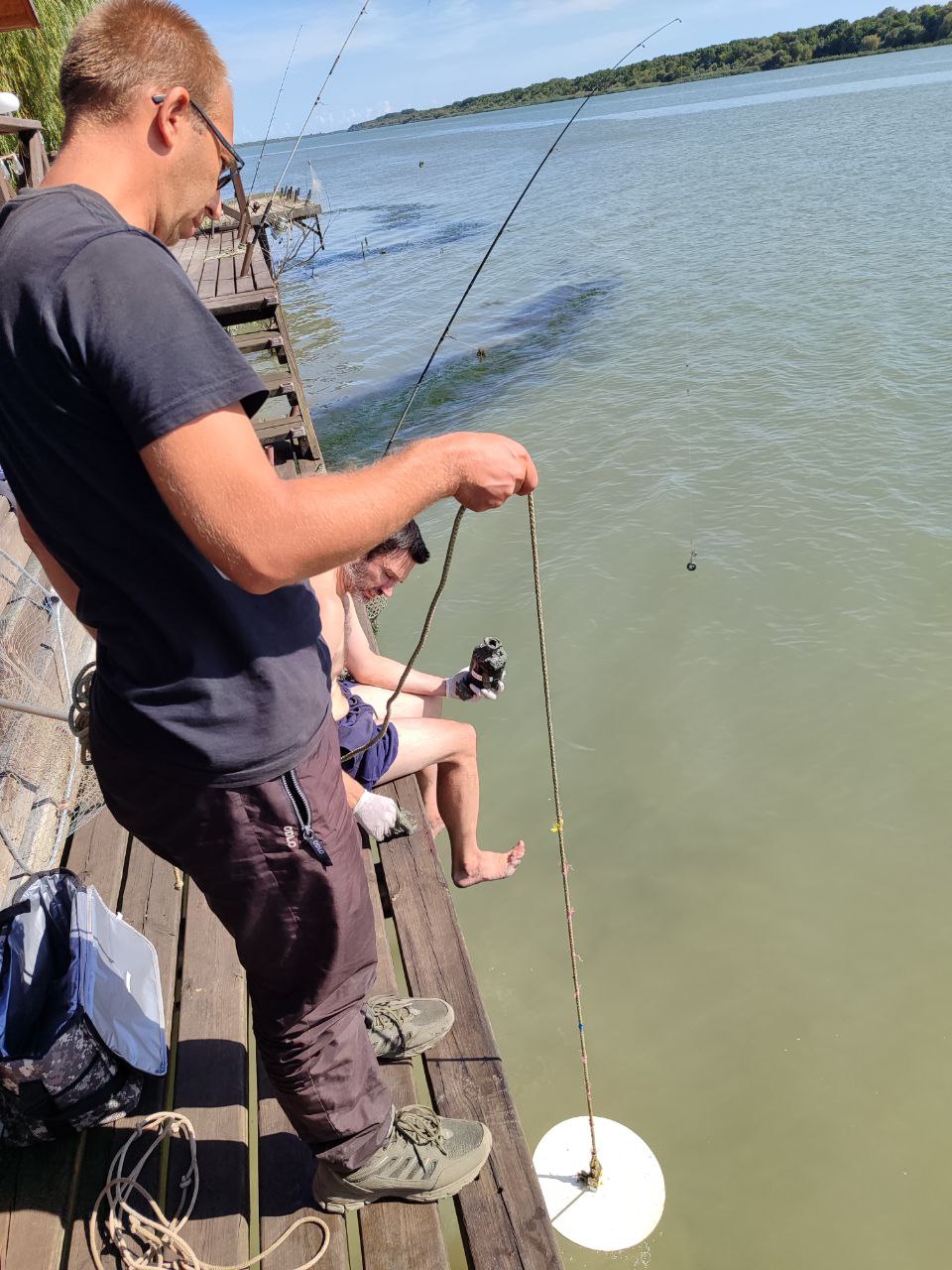
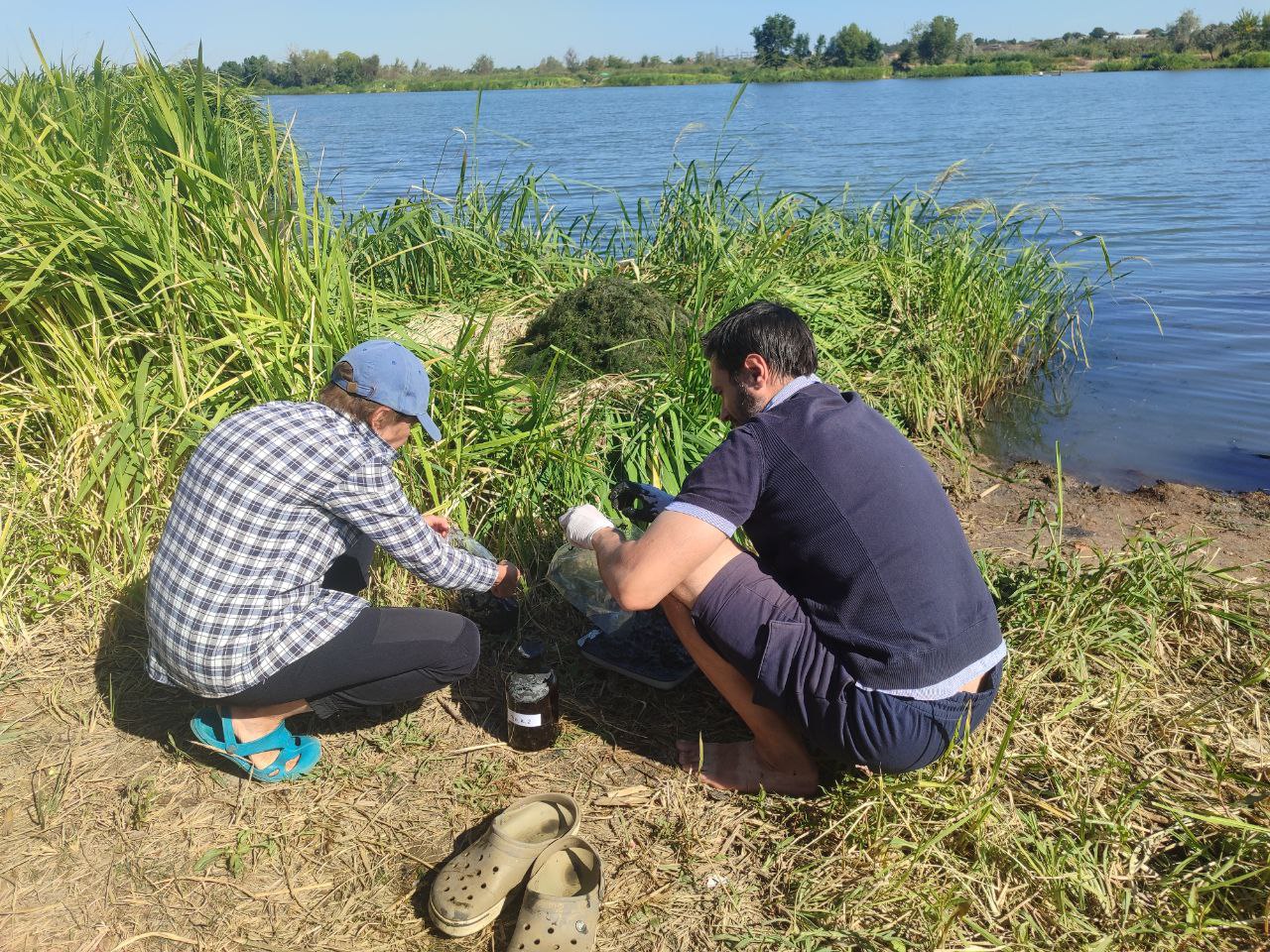
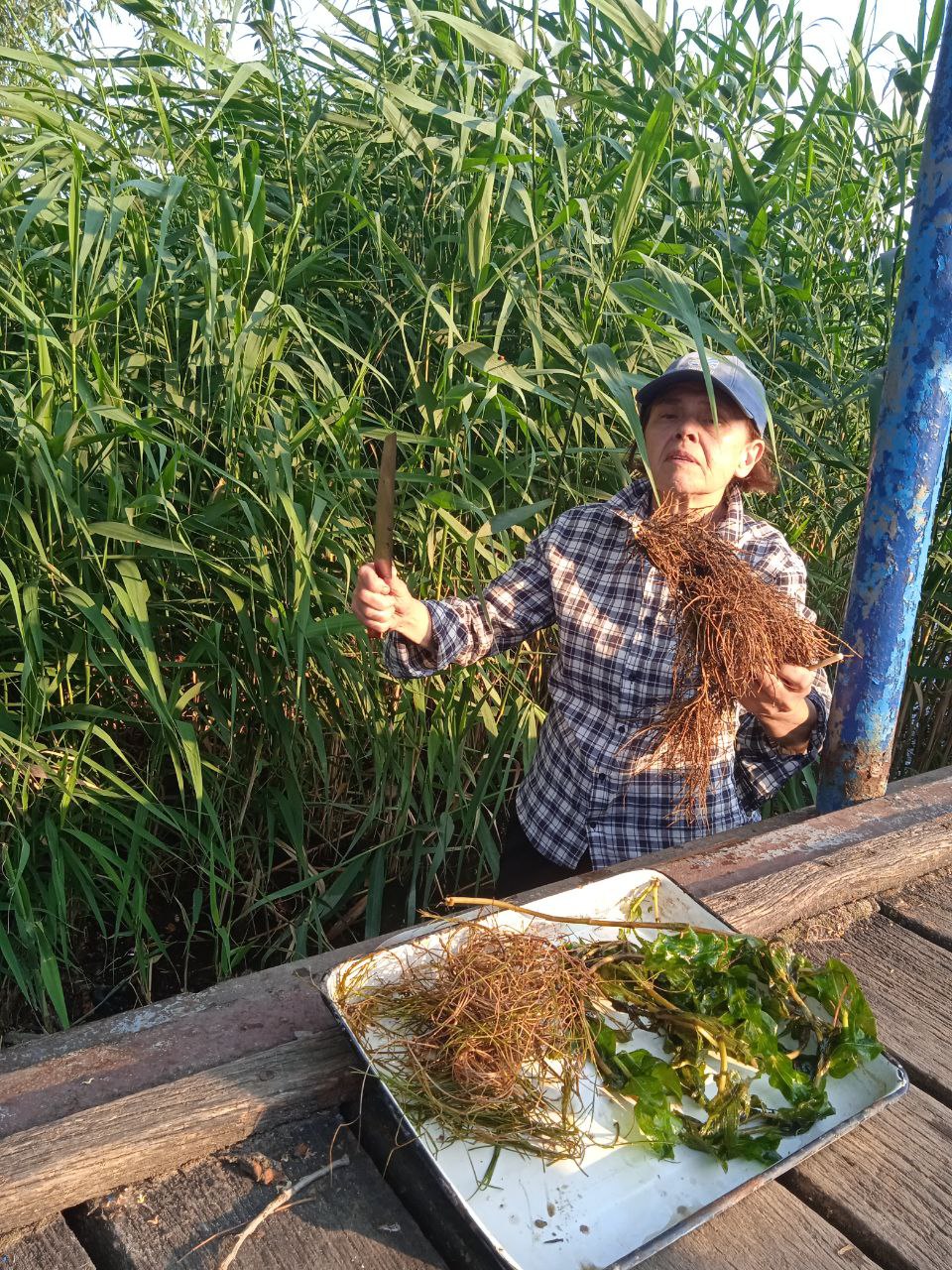
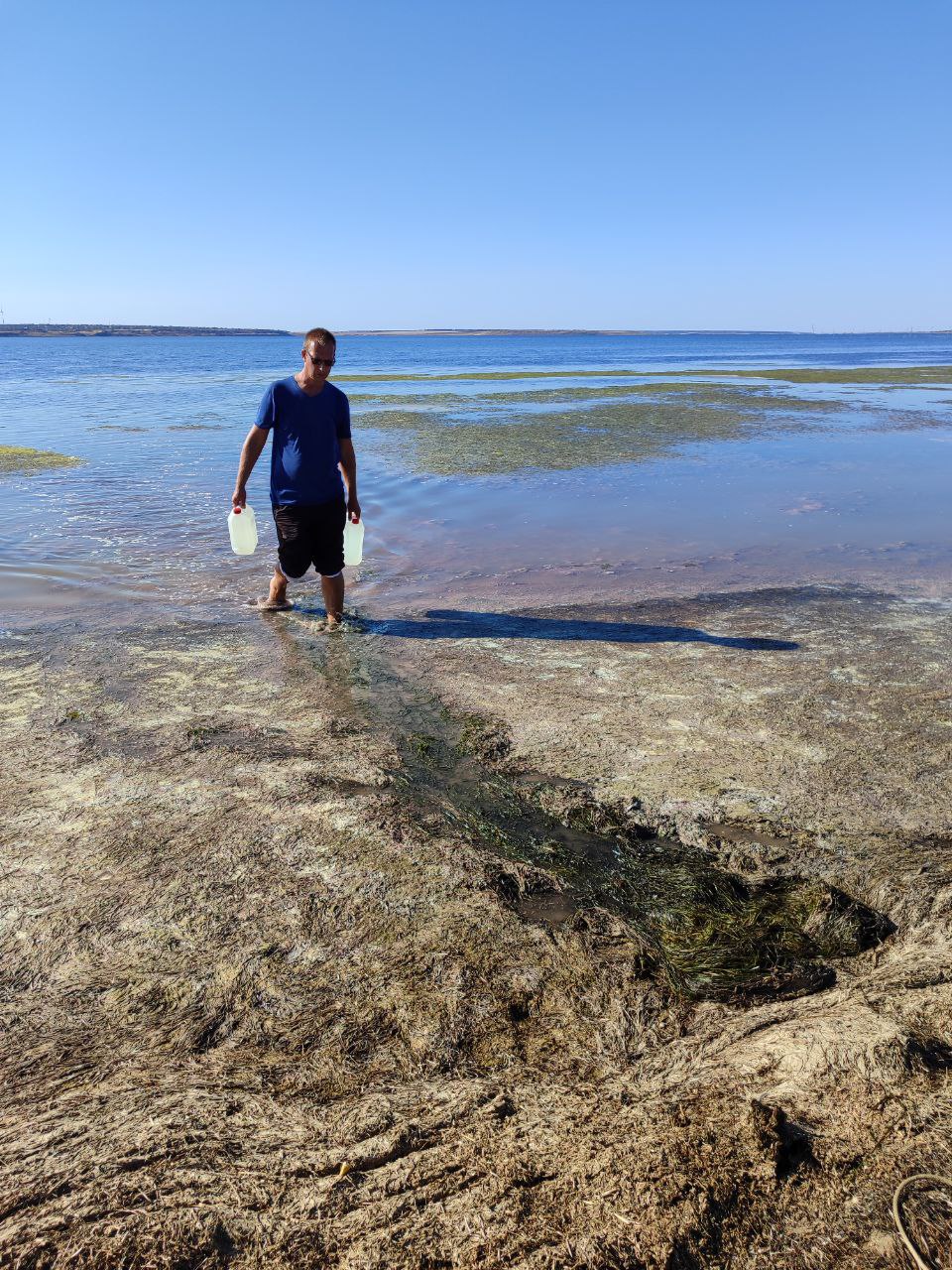
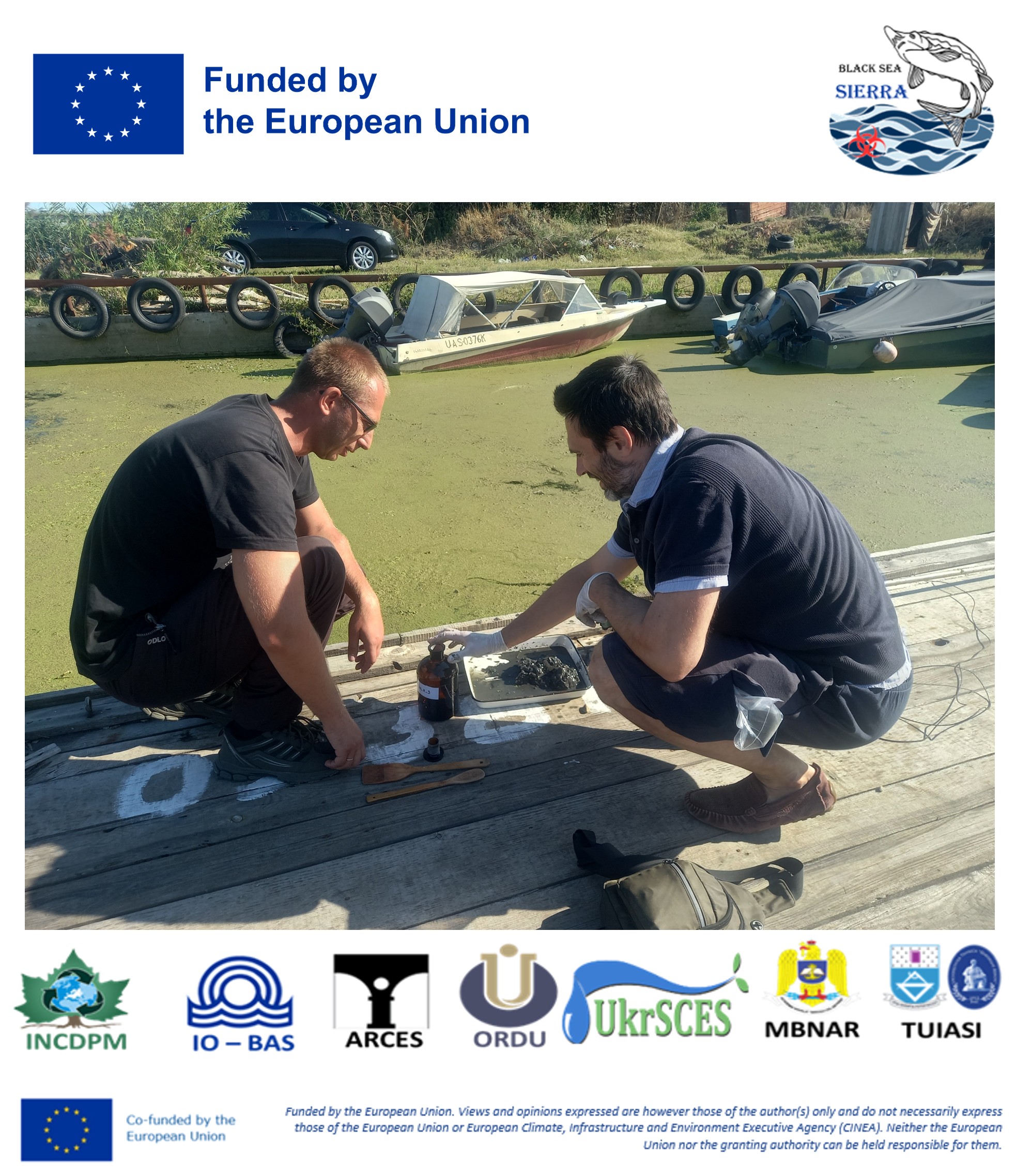
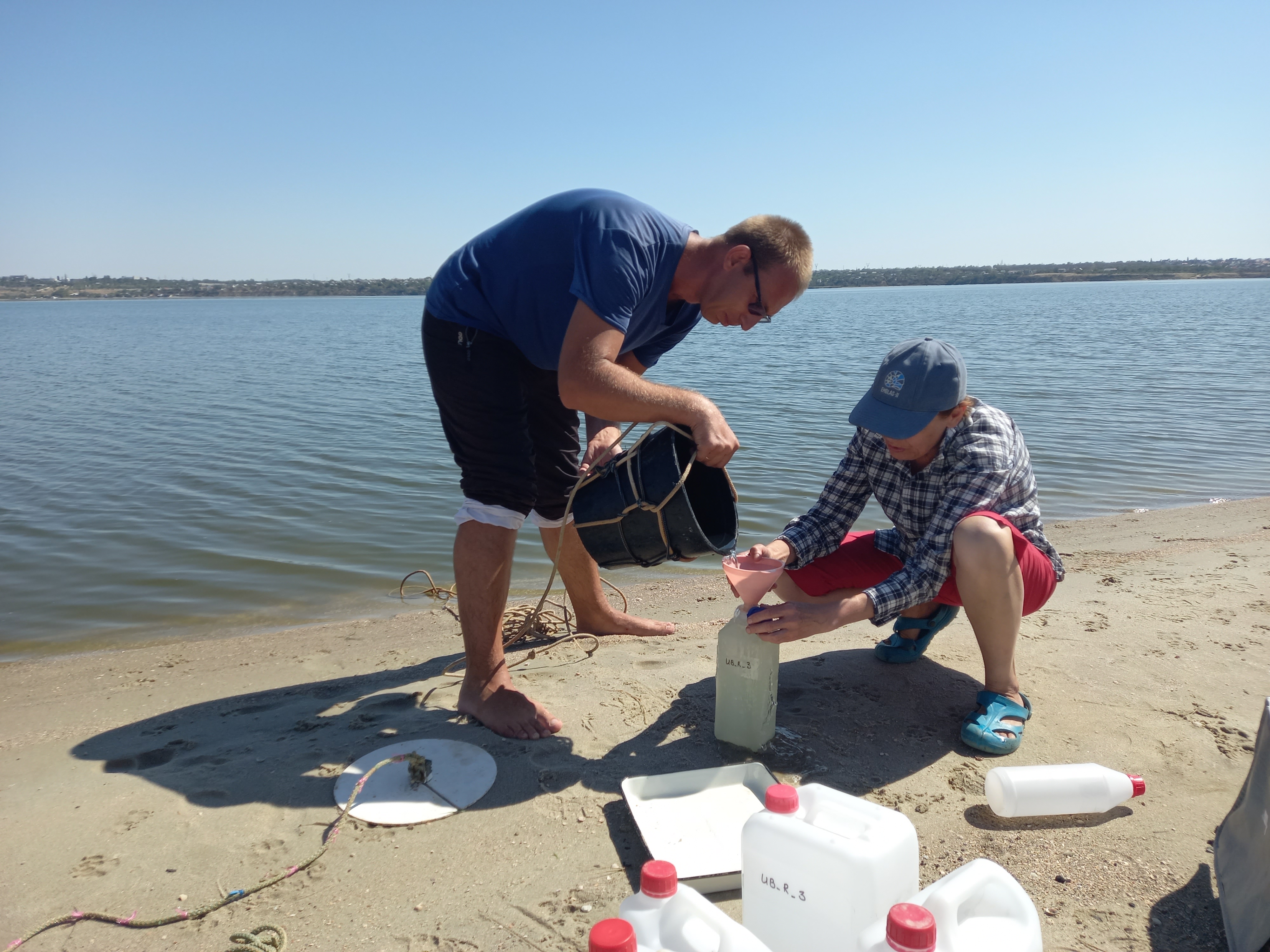
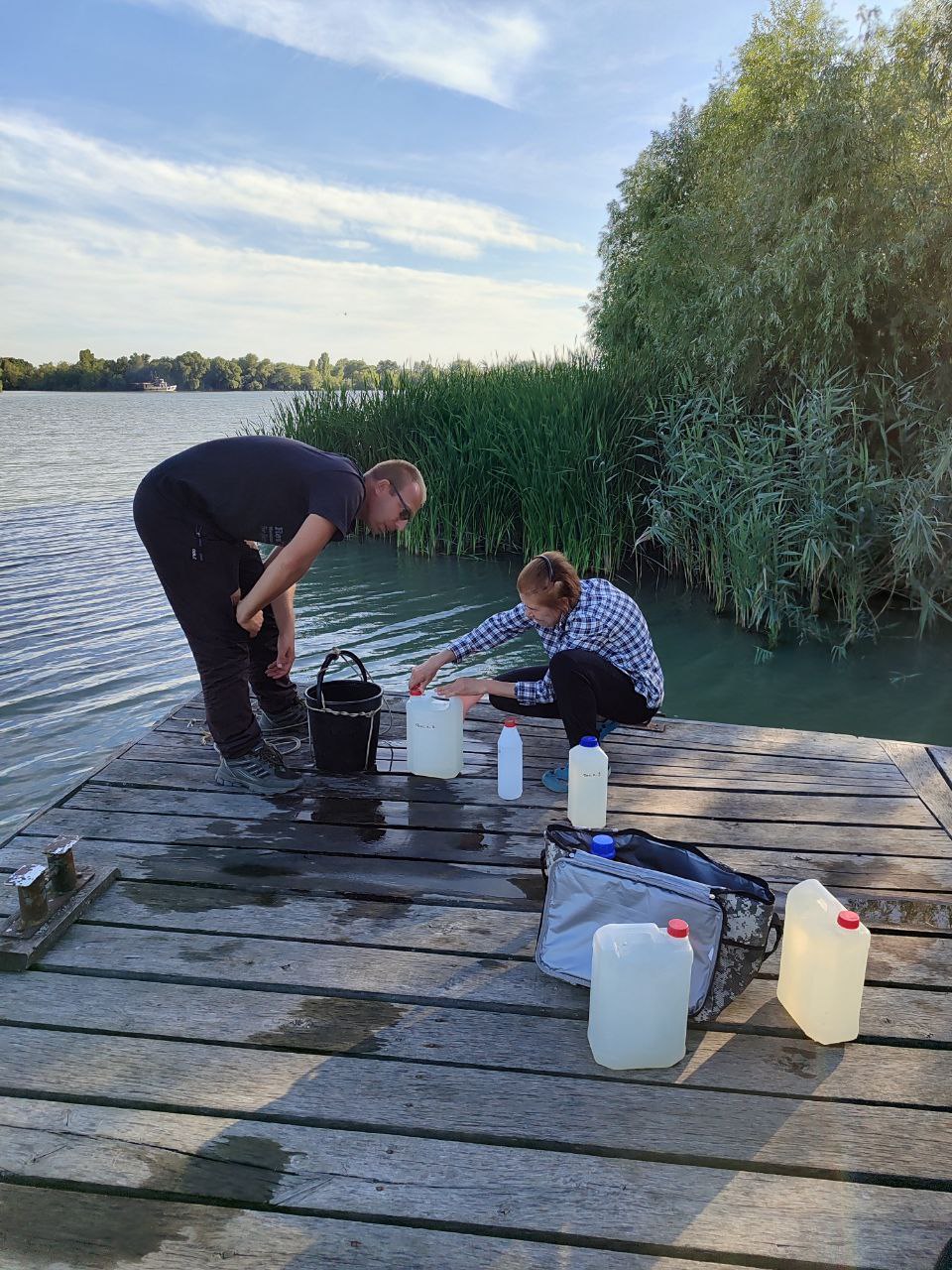
All collected samples were transferred to a partner laboratory in Romania for further analysis. The research results will contribute to adapting stakeholders’ capacity to effectively respond to current and emerging marine environmental pollution through coordinated cross-border response.
The expeditions were conducted under conditions of limited access to certain areas, security risks, and unstable power supply. Despite these challenges, the Ukrainian team ensured high-quality sampling, compliance with international standards, and timely execution of project tasks.
The obtained data will serve as a basis for developing targeted monitoring and protection programs for key biodiversity components in the Black Sea region, as well as for preparing a complementary sustainable management plan in response to civil and military marine environmental pollution.
******************
Black Sea SIERRA project funded by the European Union. Views and opinions expressed are however those of the author(s) only and do not necessarily reflect those of the European Union or the European Climate, Infrastructure and Environment Executive Agency. Neither the European Union nor the Granting authority can be held responsible for them.