
The Ukrainian Scientific Centre of Ecology of the Sea
Latest News
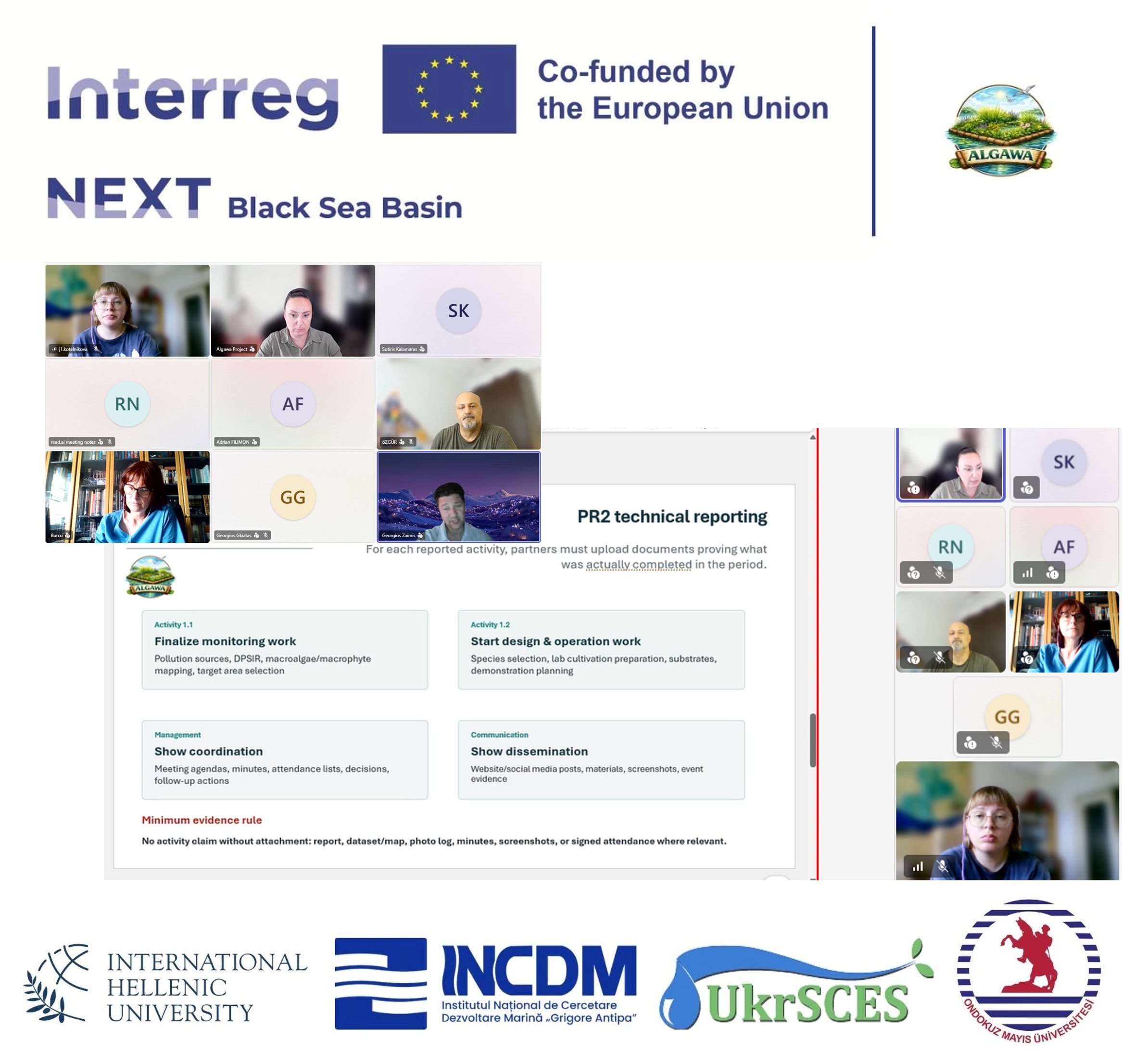
UkrSCES experts joined the ALGAWA Monthly Project & Research Coordination Meeting
In July 2026, experts from the Ukrainian Scientific Centre of Ecology of the Sea participated in the online ALGAWA Project & Research Coordination Meeting, focused on aligning partner actions for [...]
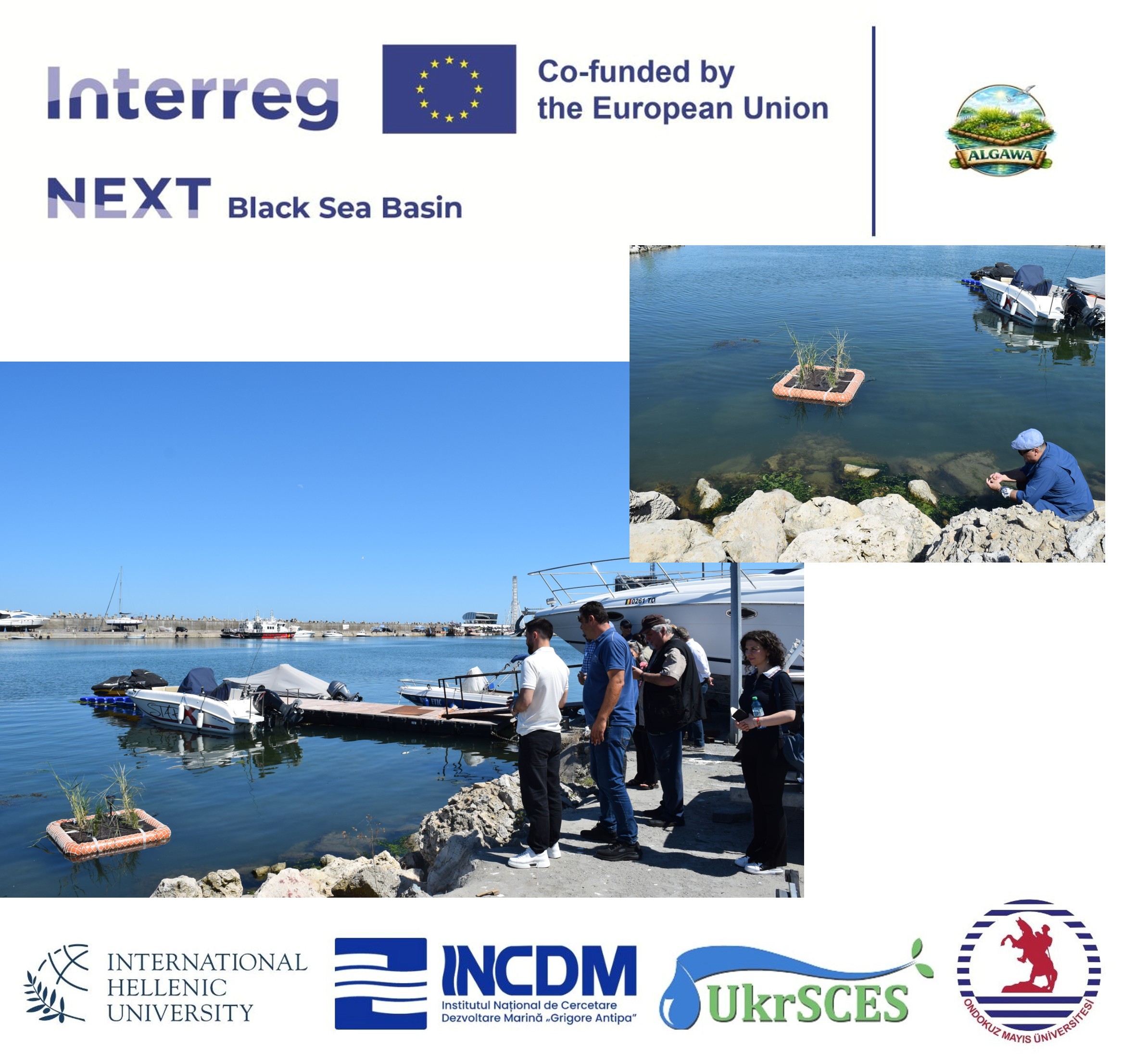
UkrSCES Experts Participated Online in the “LIVING LAB AT FLOATING PILOT SITE” Workshop Under the ALGAWA Project
On June 22–23, 2026, experts from the Ukrainian Scientific Centre of Ecology of the Sea joined online the international event "Living Lab at Floating Pilot Site", hosted in Constanța, Romania, [...]
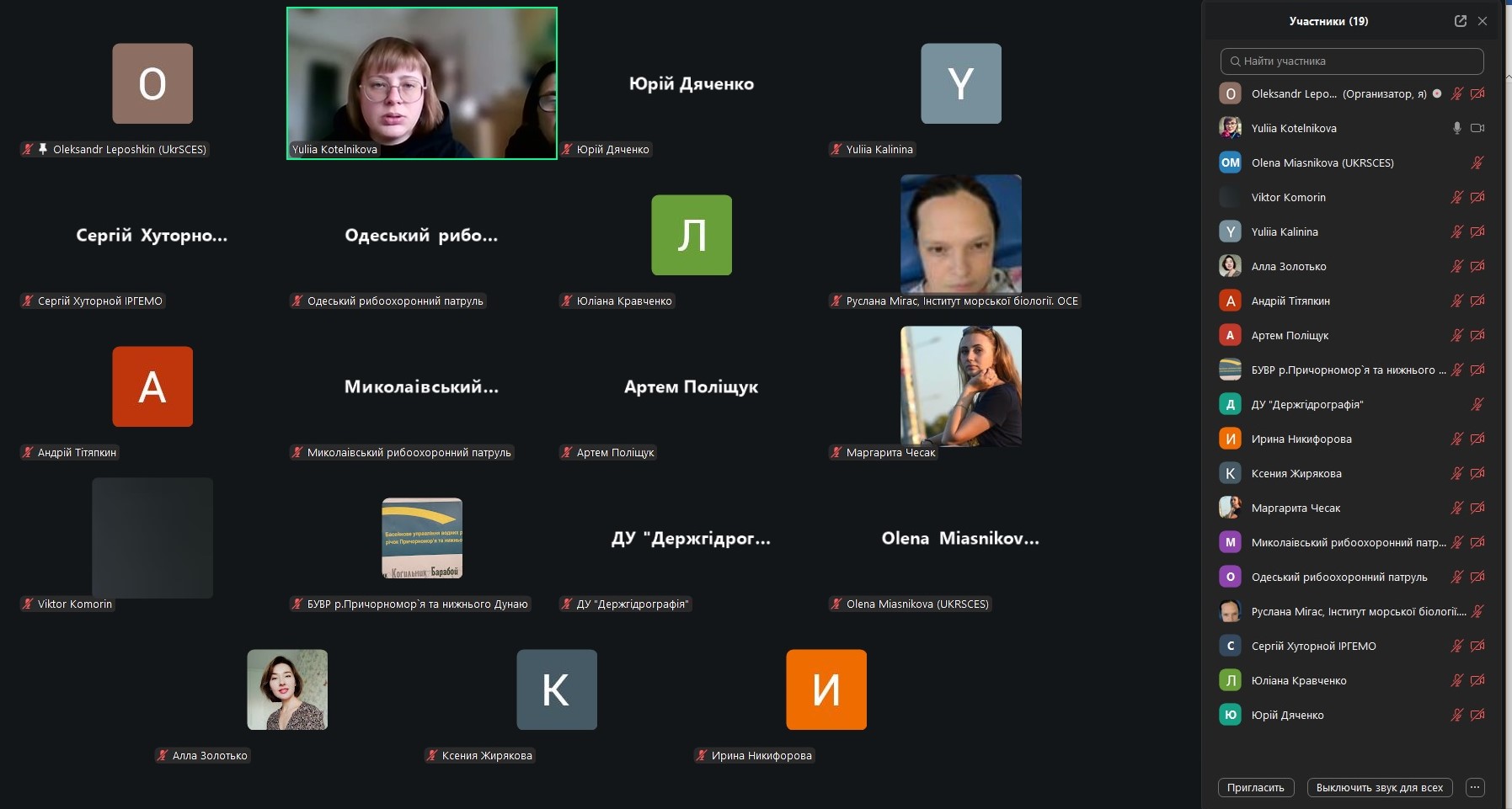
UkrSCES Holds Online Stakeholder Meeting for the ANEMONE PLUS Project: Focus on Digital Tools and Synergy of Actions
On 14 May 2026, the Ukrainian Scientific Center of Ecology of the Sea (UkrSCES) successfully held an online stakeholder meeting under the international project ANEMONE PLUS BSB00949 ("Assessment of the vulnerability of the Black Sea [...]
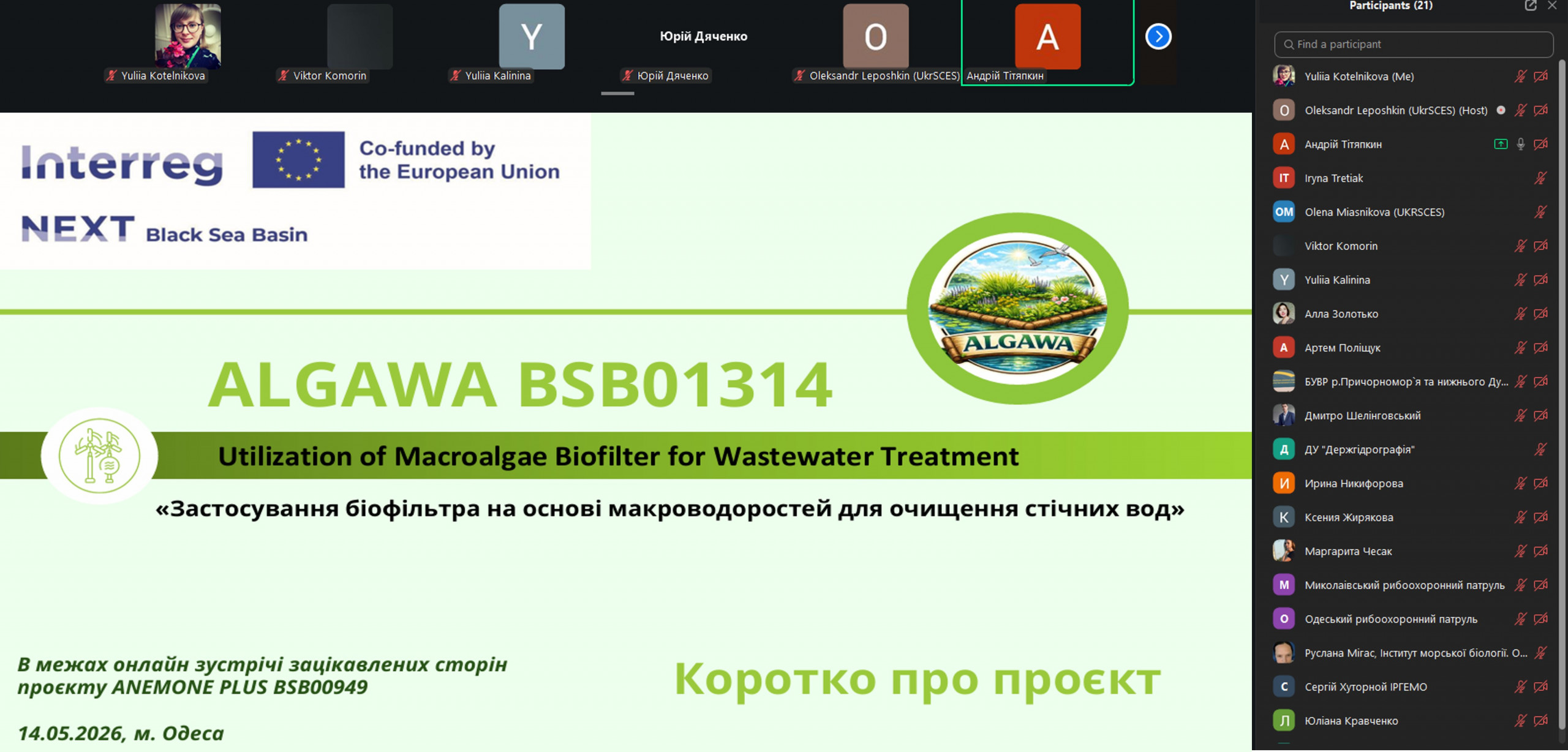
ALGAWA Project Presented at ANEMONE PLUS Stakeholder Meeting
On 14 May 2026, the Ukrainian Scientific Centre of Ecology of the Sea (UkrSCES) hosted an online stakeholder meeting within the ANEMONE PLUS BSB00949 project, during which the related international [...]

The team at UkrSCES extends warm Easter greetings to our colleagues, partners, and the entire scientific community!
During this challenging time, we wish you peace, safety, resilience, and hope. May the light of Easter bring strength, unity, and faith in the future. Wishing you a bright Easter!
TEST YOUR KNOWLEDGE OF THE BLACK SEA: AN INTERACTIVE QUIZ FROM THE ANEMONE PLUS PROJECT PARTNERS HOW WELL DO YOU KNOW THE BLACK SEA?
For many people, it is primarily associated with holidays, beaches, and the summer season. At the same time, the Black Sea represents a unique marine ecosystem with rich natural and historical heritage that is important [...]
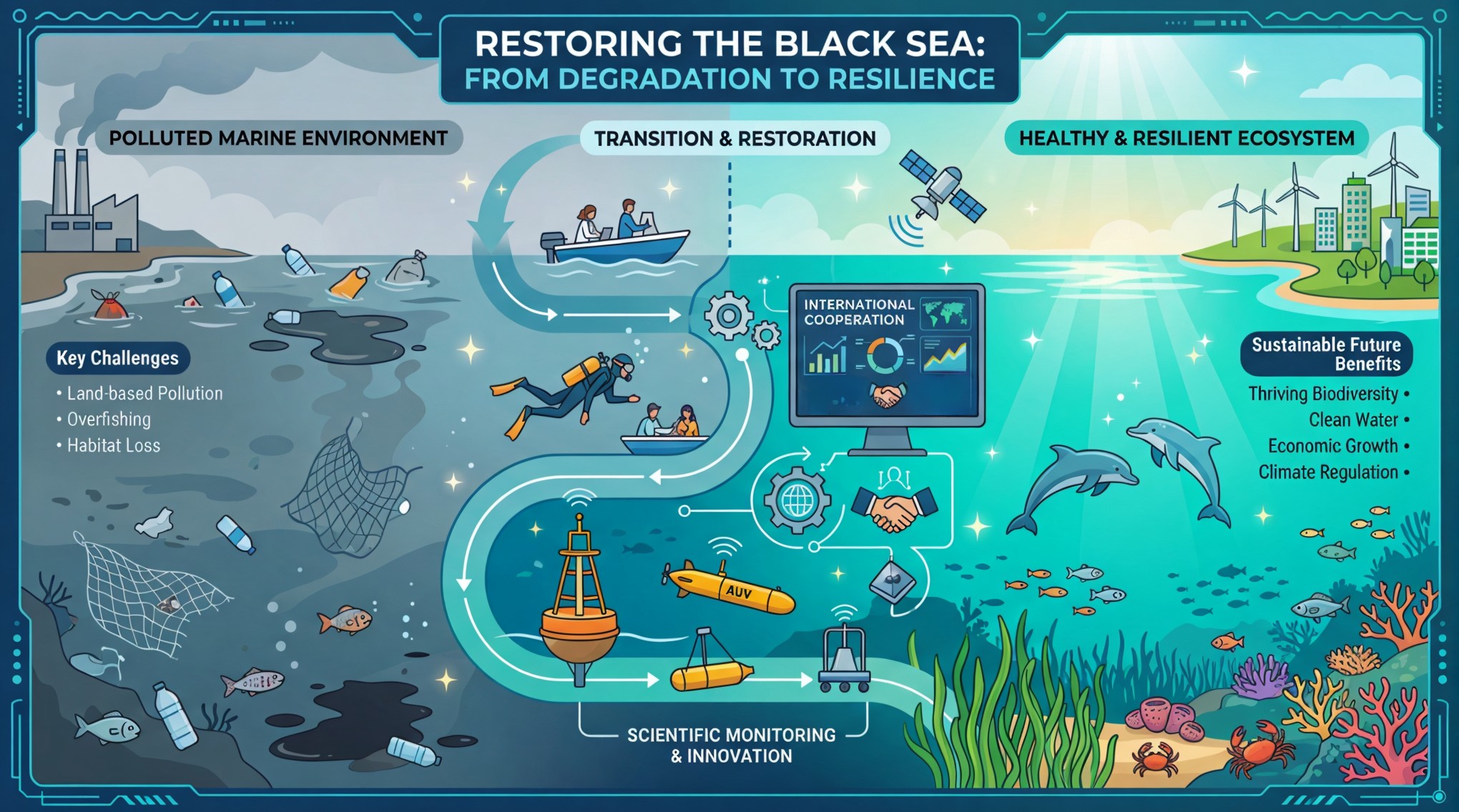
WHY AN INTEGRATED LONG-TERM ECOSYSTEM RESILIENCE STRATEGY MATTERS
The condition of marine ecosystems is shaped by processes that evolve over long periods of time. Pollution, nutrient inputs leading to eutrophication, climate change, habitat degradation, and other anthropogenic pressures accumulate over decades. Accordingly, effective [...]
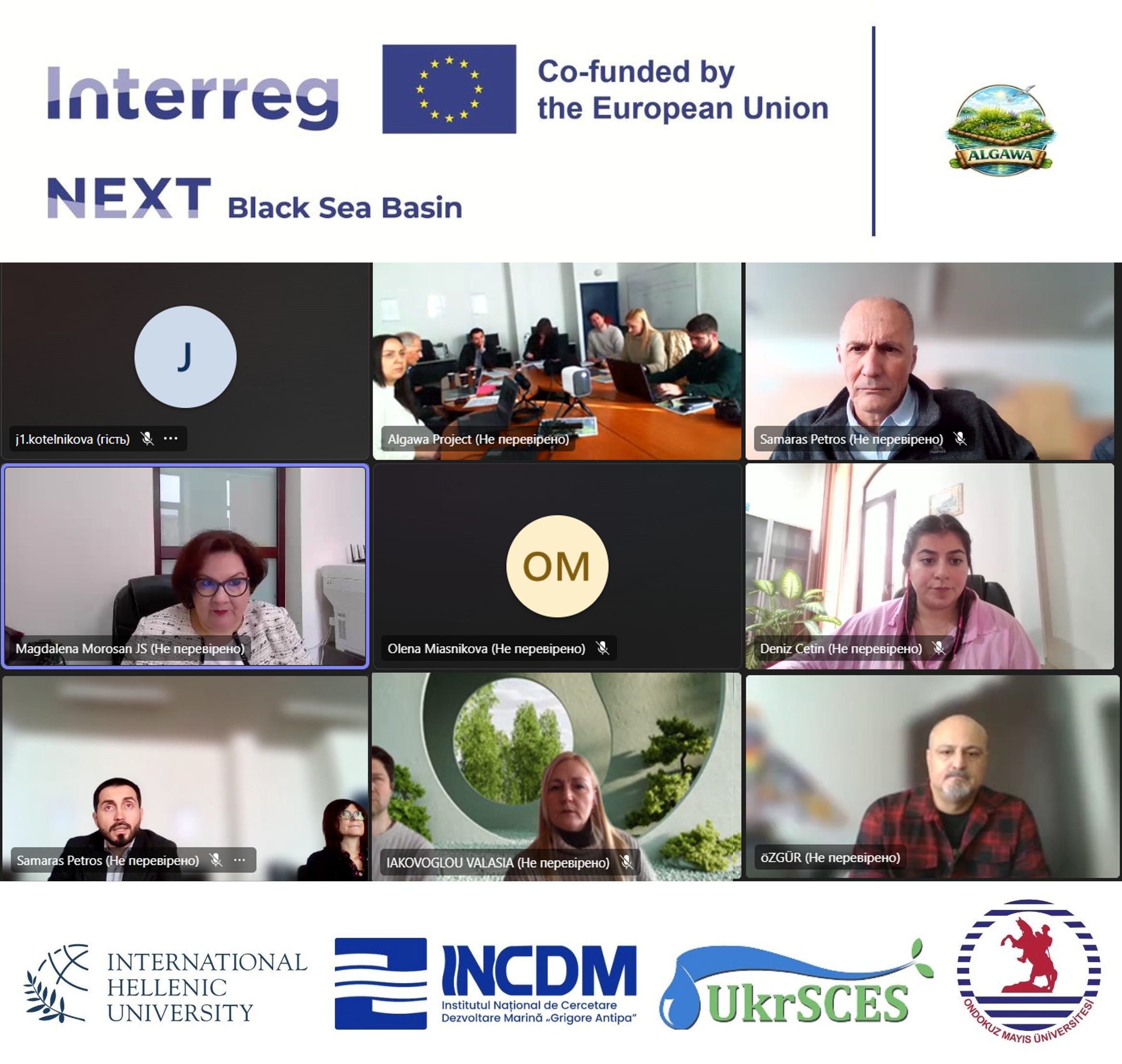
UKRSCES EXPERTS PARTICIPATED ONLINE IN THE ALGAWA PROJECT KICK-OFF MEETING IN THESSALONIKI
On 15–16 January 2026, the Kick-off Meeting of the international project ALGAWA – Utilization of Macroalgae Biofilter for Wastewater Treatment (BSB01314) was held in Thessaloniki, Greece, within the framework of the Interreg NEXT Black Sea [...]
Current projects
Project web-site
The overall objective of the project is to improve the protection of the Black Sea environment. The project is addressing the overall need for support in protection and restoring the environmental quality and sustainability of the Black Sea.
The following activities will be carried out:
- Project Activity 1: Continue support to the implementation of the countries’ obligation under the Bucharest Convention and other related Conventions and Agreements;
- Project Activity 2: Conducting National Pilot Monitoring Studies (NPMS);
- Project Activity 3: Large scale implementation of training and intercomparison programmes on monitoring methods and quality assurance adhering to the ISO 17025 standard;
- Project Activity 4: Joint Open Sea Surveys (JOSS), Implementation of the Joint Black Sea Survey Methodology along the lines of the MSFD, WFD, BSIMAP;
- Project Activity 5: Upgrade and operate the web based Black Sea Water Quality Database;
- Project Activity 6: Dissemination of knowledge and best practices, public awareness and visibility.
Project web-site
This project will lay the basis for cross-border cooperation in the Lower Danube region for identifying significant land-based sources of pollution, improved monitoring of them, sharing information about them, and developing a strategy for reducing or eliminating their impacts. As the three countries concerned share the Danube River as a single hydrological unit, pollution in one part can quickly impact others, so it is in the interest of all partners to cooperate closely in this project.
In addition, investment will be made in a WWT system for Vylkove in Ukraine, a major tourism destination situated in the northern part of the Danube Delta and a significant source of organic pollution in the river. The project builds on a number of previous Phare and Tacis projects that were undertaken in the region over the last 15 years as part of the wider Danube Basin Pollution Reduction Programme (now incorporated in the Danube River Protection Convention), but which were focused on the individual country concerned.